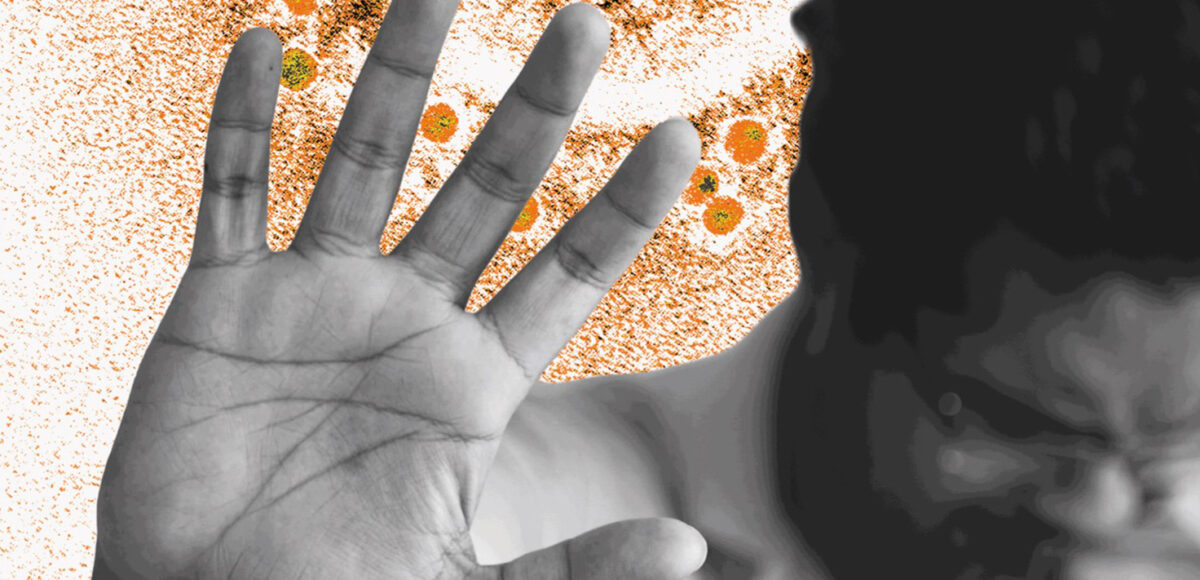
Why early action matters for patients and families in preventing allergic disease.
Goal 3: Preventing Allergic Disease
Allergic diseases are now part of everyday life for millions of people across the UK. From food allergies and eczema to asthma and severe allergic reactions, allergies affect how people eat, work, learn, socialise and feel. Prevention is better than cure. While better treatment is vital, the most powerful way to tackle the growing allergy burden is prevention—stopping allergies from developing in the first place, or reducing their severity before they become life-changing.
Goal 3 focuses on prevention strategies to reduce the burden of allergic disease. The aim is simple but ambitious: to help people live healthier lives by lowering the risk of allergies, preventing avoidable complications, and reducing deaths from severe allergic reactions. For patients, this means fewer emergencies, better quality of life, and more confidence to live life fully and safely.
Why prevention matters
Preventing allergic disease benefits individuals, families and the wider health system. For patients, effective prevention can mean:
- Fewer hospital visits and medical emergencies
- Reduced risk of severe reactions, including anaphylaxis
- Better mental wellbeing, with less anxiety and stress around everyday activities
- Improved ability to attend school, work and social events
At a national level, prevention helps reduce healthcare costs, lowers pressure on services, and supports better long-term health outcomes for future generations.
Making prevention fair and inclusive
One of the core priorities of Goal 3 is ensuring that allergy prevention strategies are inclusive and equitable across the UK. Not everyone currently has the same access to information, support or care. People from lower socioeconomic backgrounds, ethnic minority communities, those with language barriers, and individuals with disabilities or learning difficulties may face additional challenges.
The goal is to identify and tackle these barriers so that everyone—regardless of background—can benefit from clear, accurate allergy prevention advice. For patients and families, this means:
- Information that is understandable, culturally appropriate and accessible
- Support that reaches communities most at risk
- More consistent advice across healthcare and community settings
Preventing deaths from anaphylaxis
Anaphylaxis is a severe, potentially fatal allergic reaction that can happen quickly and without warning. While rare, every death from anaphylaxis is devastating—and many are preventable.
Goal 3 aims to improve how anaphylaxis is monitored, investigated and learned from, across the UK. This includes better reporting of severe reactions seen in hospitals, strengthening the work of the UK Fatal Anaphylaxis Register to record all anaphylaxis deaths, and more robust follow-up when risks are identified.
For patients, this means:
- Faster identification of hidden dangers, such as undisclosed allergens
- Improved food safety and clearer warnings
- A healthcare system that learns from every serious incident to prevent future harm
Learning from what works
There is growing evidence that early-life factors play a major role in the development of allergies. Successful programmes, such as the Finnish Allergy Programme, have shown that changing how we think about exposure, lifestyle and immune development can reduce allergy rates at a population level.
Goal 3 supports learning from this evidence and applying it carefully in the UK. Areas of interest include:
- Supporting healthy development of the immune system early in life
- Encouraging time outdoors and contact with natural environments
- Reducing unnecessary antibiotic use
- Supporting breastfeeding and healthy birth practices
For families, this approach shifts the message away from avoidance, towards healthy exposure to a microbially rich environment.

Preventing specific allergic conditions
Goal 3 recognises that different allergic conditions need tailored prevention strategies, while still keeping messaging clear and consistent for patients.
Food allergy
For food allergy, prevention focuses on clear, evidence-based guidance around infant feeding. Research shows that introducing allergenic foods promptly at the time of solid food introduction, and maintaining regular consumption, can significantly reduce the risk of food allergy developing. This advice applies to all children, regardless of their individual risk of developing food allergies.
Key outcomes include:
- Nationally consistent advice for parents and carers
- Better support for introducing allergenic foods safely
- Improved access to infant-appropriate and safe forms of food allergens
For parents, this means clearer guidance, less fear around introducing allergenic foods, and better support from healthcare professionals who understand the benefits of prompt allergenic food introduction.
For optimising allergy prevention, we recommend:
- In a child with a nut allergy other nuts should be considered for introduction into the diet
- Screening of asymptomatic children for food sensitisation often results in delaying starting the consumption of the allergenic foods and is not recommended.
Eczema
Eczema in infancy is not just a skin condition—it can increase the risk of developing food allergies later. Goal 3 supports better early management of eczema through education and coordinated care.
Patients and families benefit from:
- Improved advice on managing eczema early
- Reduced risk of complications
- Better coordination between healthcare professionals
Respiratory allergies
Respiratory allergies and asthma are strongly influenced by environmental factors. Prevention efforts include discouraging smoking and vaping, improving indoor air quality, and reducing exposure to pollutants and allergens—especially in high-risk environments such as social housing, schools and healthcare settings.
For patients, this can mean fewer symptoms, healthier lungs, and an improved home and work environment.
Drug allergy
Many people are labelled as “drug allergic” when they are not, leading to unnecessary avoidance of effective treatments. Goal 3 promotes better diagnosis, education and access to specialist services to prevent harm caused by incorrect allergy labels.
For patients, this reduces:
- Unnecessary restrictions on medications
- Use of less effective or more harmful alternatives
- Anxiety and confusion around medical treatment
Using allergy tests wisely
Not all positive allergy tests mean someone is truly allergic. A positive allergy test result (skin prick test or blood test) in an individual with no clinical allergy, is common. Over-diagnosis can lead to unnecessary food avoidance, increased anxiety, and even higher allergy risk over time.
Goal 3 aims to improve how allergy tests are used and interpreted, and to raise awareness of unproven tests often marketed outside the NHS. For patients, this means:
- More accurate diagnoses
- Less unnecessary restriction
- Greater confidence in medical advice
Equally there is a need for better tools for diagnosing non-IgE/delayed type milk allergy, the symptoms of which overlap extensively with the normal symptoms of infancy. This makes diagnosis difficult and susceptible to significant over-diagnosis with subsequent unnecessary dietary restriction.
A healthier future for patients
At its heart, Goal 3 is about empowering people—especially parents and carers—with the knowledge, support and systems they need to reduce the impact of allergic disease. By focusing on prevention, equity and evidence-based care, this approach offers hope for a future where fewer people develop severe allergies, fewer lives are lost to anaphylaxis, and living with allergies becomes less frightening and restrictive.
Prevention saves money and it saves lives. The National Allergy Strategy offers the opportunity to make Allergy Prevention at the heart of allergy healthcare, giving everyone the best possible chance of an allergy free life.
Dr Michael R Perkin
Specialised paediatric Allergist
Dr Michael Perkin is one of a small number of highly specialised paediatric allergists working exclusively in the area of paediatric allergy.
He is a Senior Lecturer in the largest paediatric allergy service in Europe, at St Thomas’ Hospital and a Consultant Paediatric Allergist at St George’s Hospital.