COMMERCIAL PARTNERSHIP
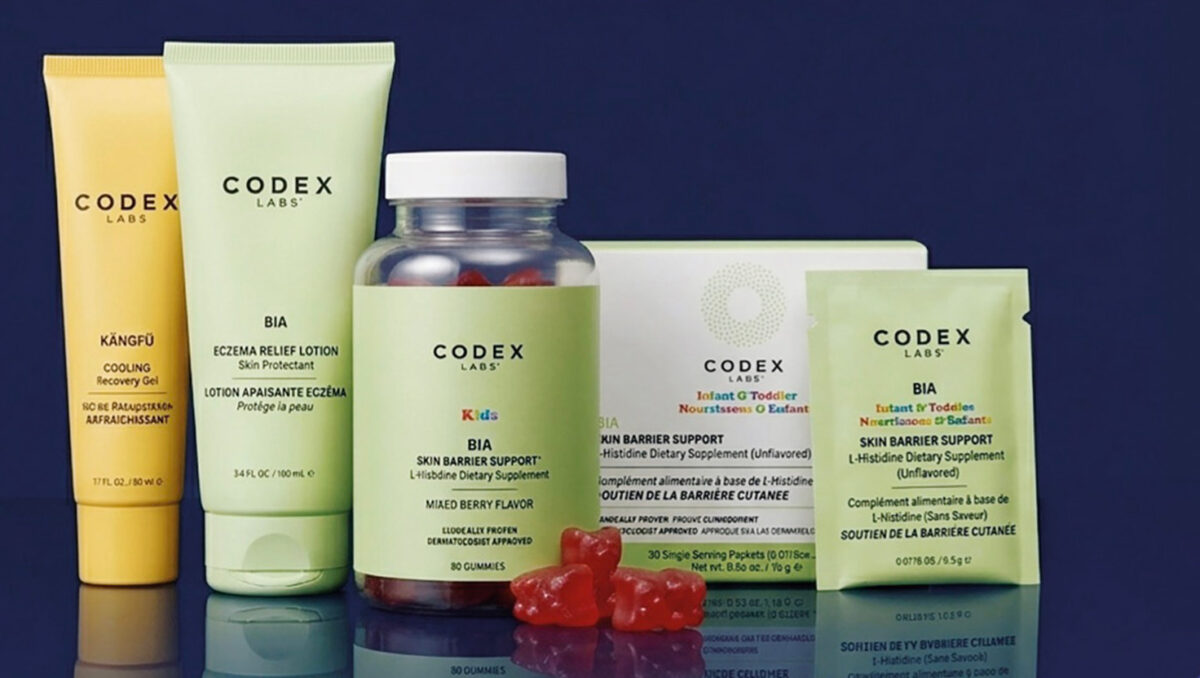
The latest understanding of the links between the microbiome and atopic dermatitis from Codex Labs, pioneering specialists in clinically proven skincare products.
Atopic dermatitis, also called eczema, is a chronic inflammatory skin condition characterized by dry, itchy, and inflamed patches. Allergic reactions that manifest as eczema flares are more than skin-deep, and research increasingly points to a profound interplay between the immune system and the skin-gut barriers. Understanding this relationship enables more effective, whole-body eczema protocols, rather than relying solely on corticosteroids and biologics to stem flares, especially in children.
A key feature of eczema is a compromised skin barrier. Healthy skin is our primary external defense: a robust “brick-and-mortar” structure preventing irritants, allergens, and microbes from penetrating while keeping moisture locked in. In eczema, genetics often lead to deficiencies in key structural proteins like filaggrin as well as reduced levels of ceramides and natural moisturization factor, resulting in a “leaky” skin barrier. Environmental allergens (dust mites, pollen, or pet dander) can easily enter the skin, where they trigger an immune response, leading to inflammation, itching, and further barrier damage from scratching — a vicious cycle.
Compounding this, our internal defense, the gut barrier, is intricately linked to skin health. Often referred to as “leaky gut” or increased intestinal permeability, this condition occurs when tight junctions between intestinal lining cells become “loose” and allow undigested food particles, toxins, and microbes to “leak” from the gut into the bloodstream. The immune system then mounts a systemic inflammatory response against these foreign invaders. Such chronic low-grade inflammation may contribute to systemic inflammation, including those that manifest on skin as eczema.
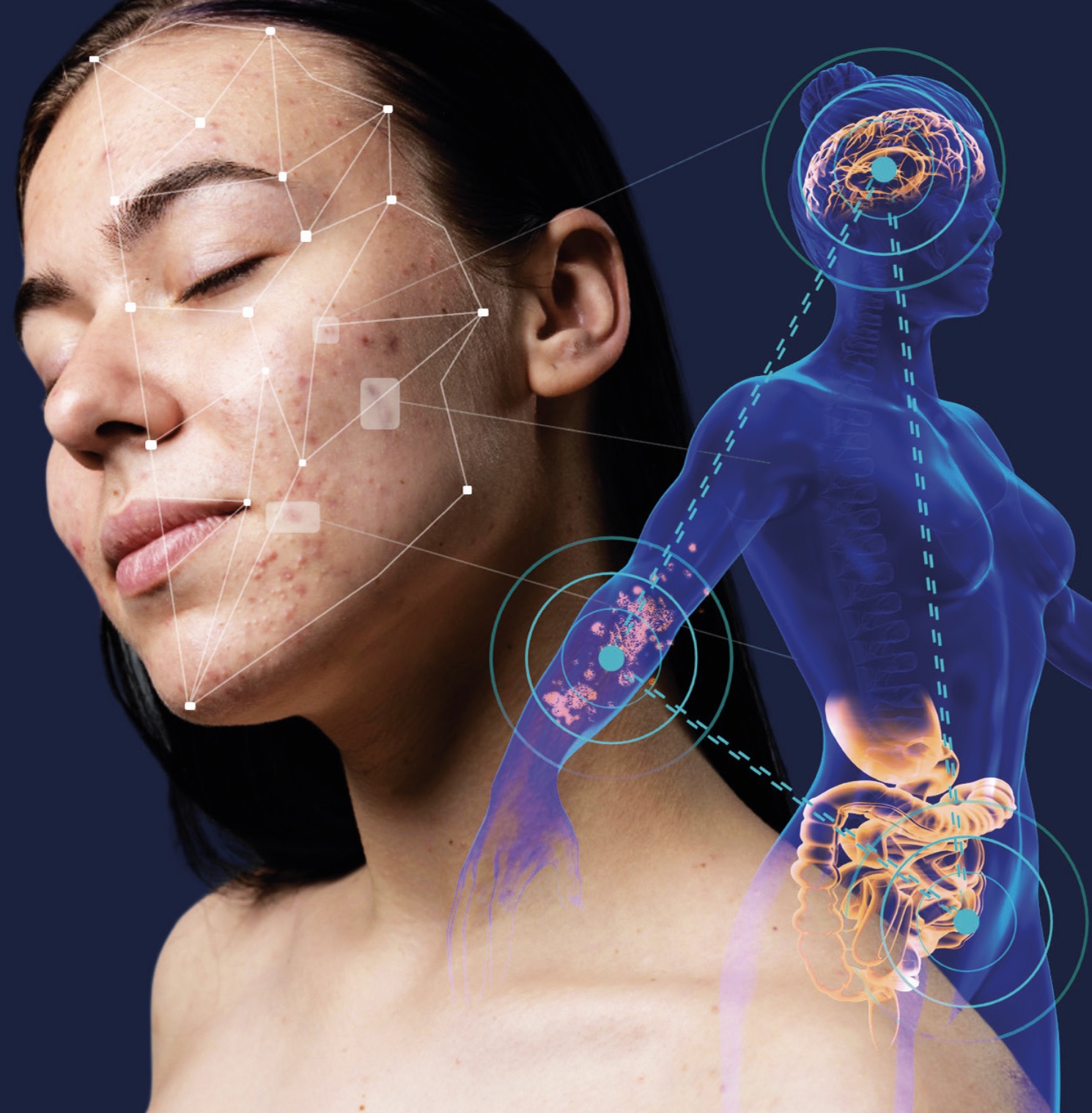
The concept of the “gut-skin axis” highlights their direct communication and influence, suggesting gut health and disease can directly impact skin health and disease.
Fortifying both skin and gut barriers is therefore a powerful strategy for reducing allergic reactions and managing eczema. Strengthening both external and internal defense lines decreases penetration of allergens and irritants, thereby reducing triggers that can initiate and perpetuate immune-driven inflammation. This dual approach – both internally and externally – calms an overactive immune system, leading to fewer and less severe eczema flares.
On the outside, the skin barrier can be maintained with gentle cleansers and hydrating, emollient topicals. For example, soaps made with plant butters and high levels of glycerin are ideal because they cleanse without stripping the skin barrier. Shea and cocoa butter are rich in fatty acids that help replenish lost lipids, leaving skin softer, less tight, and better able to retain moisture after washing. Glycerin is a powerful humectant that draws water into the outer skin layers, helping prevent the dryness and micro‑cracks that can trigger itching and flares. When the formula is gentle, close to pH neutral and designed to protect the skin microbiome, it avoids harsh surfactants and preservatives that disrupt beneficial microbes, supporting a more balanced, resilient skin environment.
Similarly, topical lotions rich in sunflower oil, hyaluronic acid, and ceramides help rebuild the skin barrier by replenishing essential lipids and deeply hydrating dry, cracked skin. Sunflower oil provides nourishing fatty acids that help seal in moisture, while ceramides restore key building blocks of the outer skin layer. Hyaluronic acid attracts and holds water in the skin, improving suppleness and reducing tightness and flaking. Soothing botanicals like calendula and comfrey (with itch-soothing allantoin) support skin comfort and renewal, while haberlea (myconoside) helps protect stressed skin and reinforce its resilience over time. Together, these ingredients work synergistically to calm irritation, reduce dryness, and support a stronger, healthier skin barrier so it can better protect against irritants and allergens.
On the inside, what we eat can directly influence inflammation, skin barrier strength, and flare frequency. For some people, true food allergies (like to cow’s milk, egg, or nuts) can trigger or worsen eczema, especially in young children, and need to be identified and medically managed. Beyond allergies, a nutrient‑dense diet that includes sufficient protein, essential fatty acids (like from fish, flax, or certain plant oils), and vitamins such as A, D, E, and B‑complex supports the production of healthy skin cells and lipids that keep the barrier intact. Highly processed foods, excess sugar, and frequent fast food may promote systemic inflammation, which can make eczema harder to control. Working with a healthcare professional to identify triggers and build a balanced, skin‑supportive diet can be a key part of long‑term eczema management.
Targeted nutritional interventions may also play a key role in barrier repair. For example, an area of emerging research is how L-histidine supplements fortify skin barrier integrity by supporting production of filaggrin, a structural protein (“brick”); filaggrin breaks down into natural moisturizing factors (NMFs) like urocanic acid (“mortar”), which help maintain skin hydration and its slightly acidic pH, deterring pathogen growth and enhancing barrier function. Similarly, amino acid L-glutamine helps maintain the integrity of the gut barrier. As the primary fuel source for enterocytes (cells lining the small intestine), L-glutamine helps maintain the tight junctions between them. It has led to this being another area under investigation for eczema.

Additionally, the gut houses trillions of microorganisms that influence our immune system. Therefore, balancing the gut microbiome holds immense potential for moderating immune and allergic responses. A diverse microbiome, rich in beneficial bacteria, produces short-chain fatty acids like butyrate, which are anti-inflammatory and promote immune tolerance; conversely, an imbalanced microbiome can lead to increased inflammation and potentially worse allergic responses. By cultivating a healthy gut microbiome through proper nutrition rich in high fiber plant foods (prebiotics), fermented foods (probiotics), and polyphenols (antioxidants), the immune system response to harmless substances like food can be moderated. It’s an area of ongoing research, to help dampen allergic reactions and reduce eczema flares.
Effective eczema management requires supportive strategies that complement corticosteroids and biologics to address the interconnectedness of skin and gut health. Actively fortifying both skin and gut barriers both externally and internally, and balancing the skin and gut microbiomes, we can reduce allergic triggers, moderate immune responses, and ultimately provide lasting relief from eczema.
For more information, visit: www.codexlabs.uk